Document problems cause more denied boardings than anything else, and they are almost entirely preventable. A passport with five months left, a transit authorisation nobody mentioned, a visa in the name of a maiden surname.
Run through this list about a month before departure, then again the night before.
Three categories
Identity documents, which prove who you are and allow you to cross borders. Travel documents, which prove your right to the journey and the services you bought. Supporting documents, which prove things authorities or providers sometimes ask about.
Each has a different failure mode, and each needs a copy stored somewhere other than the original.
Step by step
Identity documents
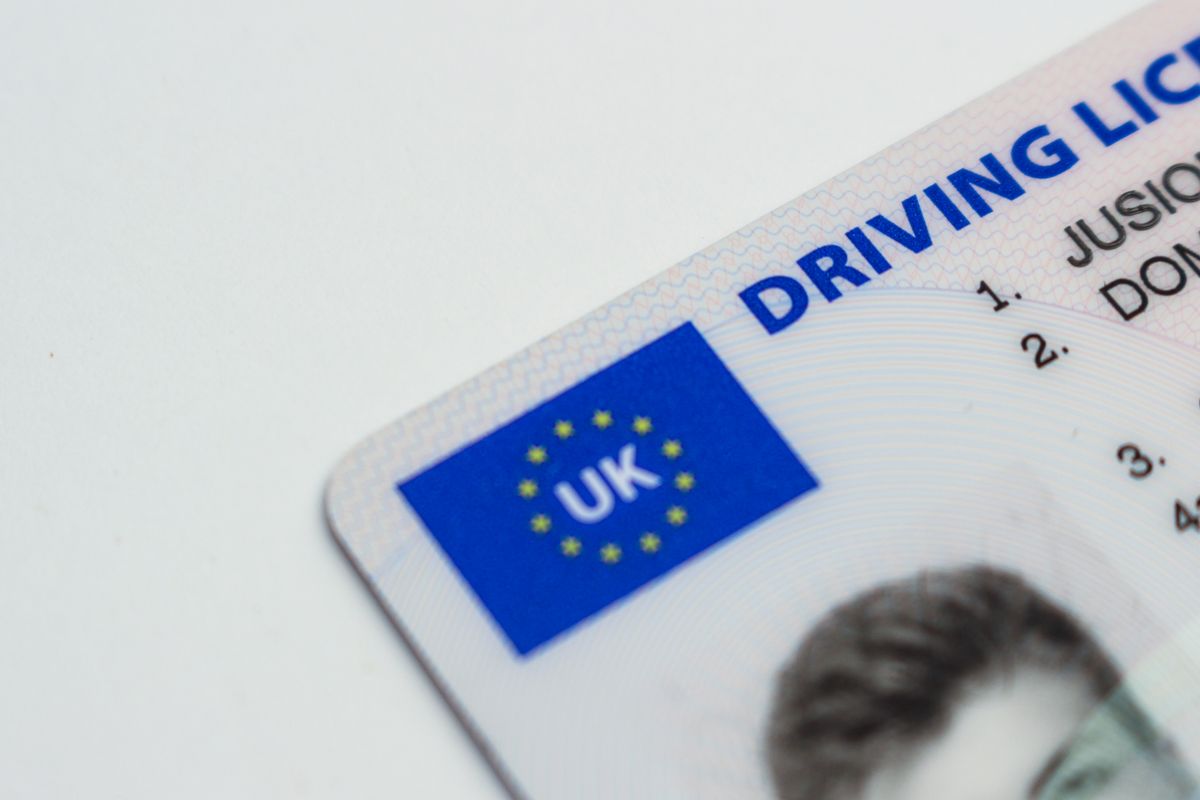
Passport valid well beyond your return, since many countries require three or six months of remaining validity. Check for blank pages, some borders need them. Carry a national ID card where relevant, and a driving licence plus an international permit if you plan to drive.
Entry permissions
Visas, electronic travel authorisations, or a visa waiver registration depending on the destination. Check transit countries separately, they have their own rules. Print the approval, some airline staff still ask for paper.
Travel and booking documents
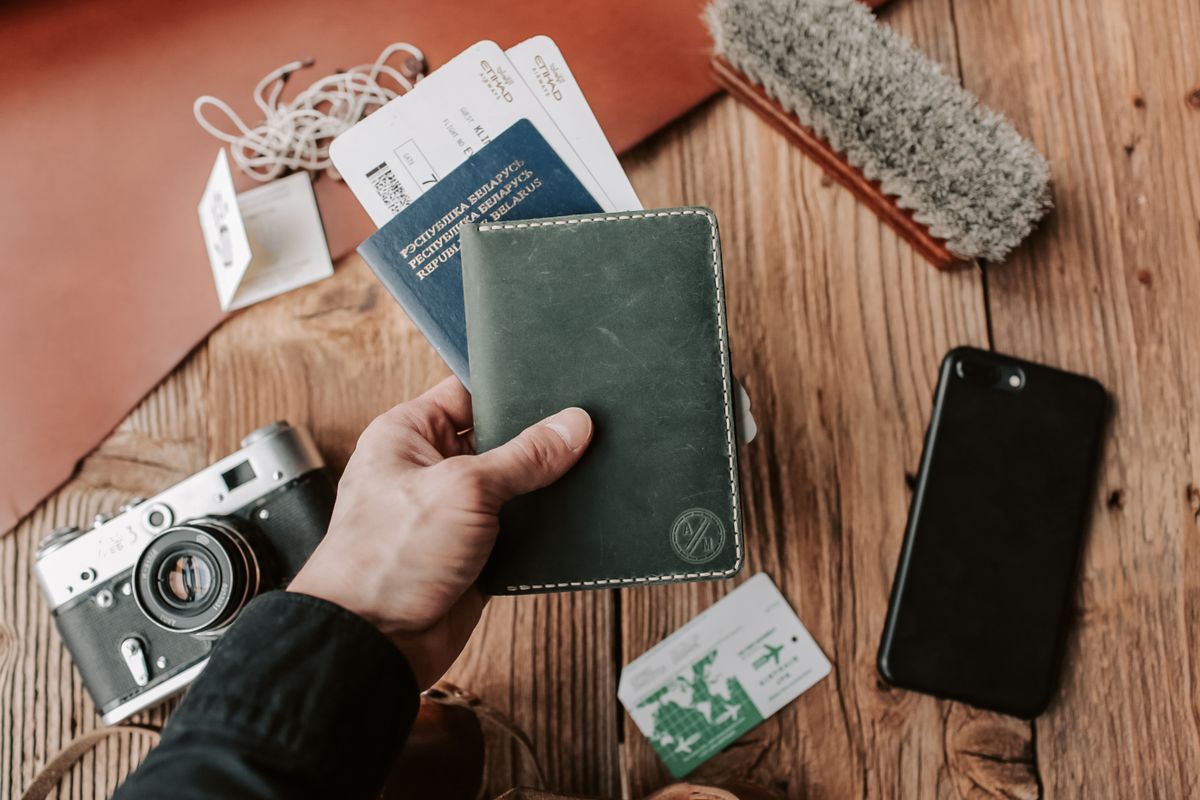
Flight confirmations and boarding passes, hotel bookings with addresses, car rental voucher, rail or ferry tickets, and any tour reservations. Border officers sometimes ask for proof of accommodation and onward travel, so keep those two accessible.
Insurance, health and money
Insurance certificate with the assistance number, any required vaccination or health documentation, a European health card if applicable, prescriptions in generic drug names, and a note of your bank's emergency line.
Copies and storage
One offline set on your phone, one in cloud storage, one printed and kept in a different bag from the originals. Never keep your passport, all your cards and all your cash in the same pocket.