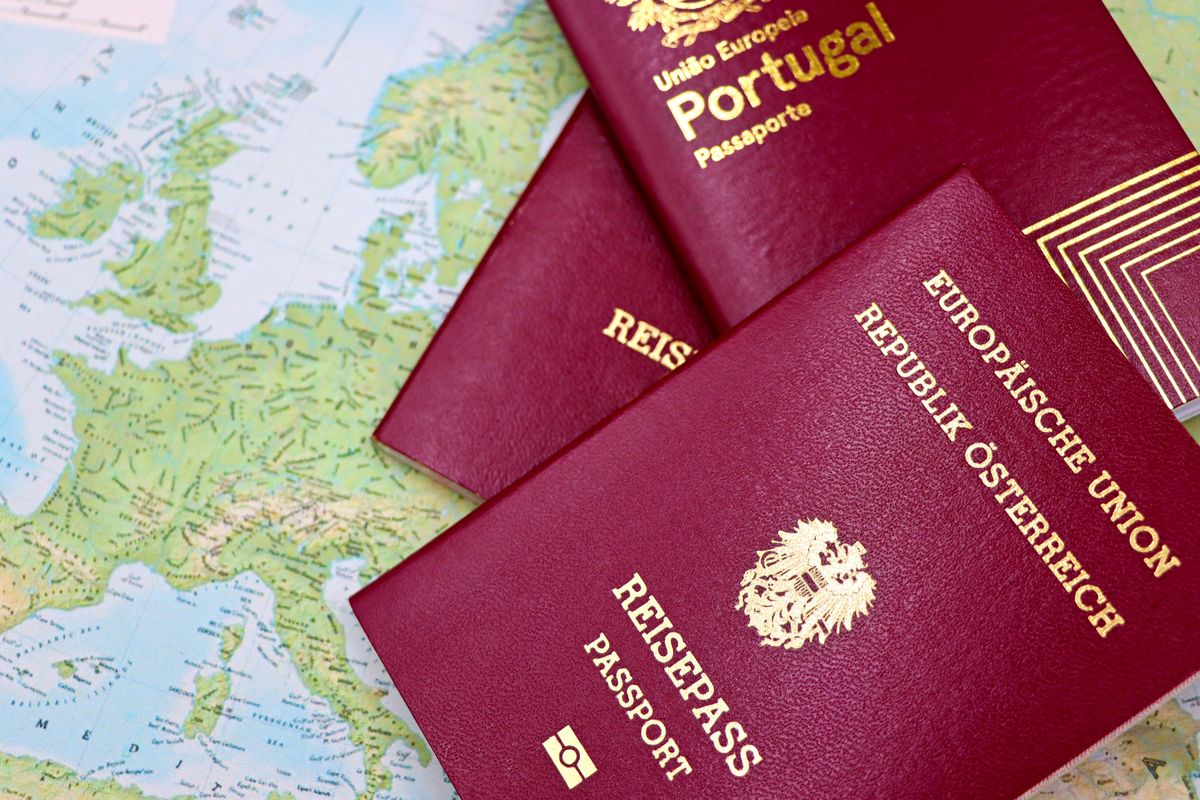
Passports go missing in Europe mostly on trains, in busy squares and in hostel dorms. The practical situation is better than it feels: consulates are close together, police reports are straightforward, and emergency documents are routine.
The complication is the Schengen area, where you may travel between countries without checks but still need valid documents to board a flight or leave the zone.
Schengen and what it means for you
Inside Schengen there are usually no systematic border checks between countries, but airlines still ask for identity documents at the gate, including on internal flights. So a lost passport can stop you flying even without a border.
Your own consulate is the right contact, and if your country has no mission in that city, other European Union countries can often assist EU citizens under consular cooperation arrangements.
Step by step
Step 1: Report to the local police
Go to the nearest station and ask for a written report, sometimes called a denuncia, plainte or Anzeige depending on the country. Some cities allow online reporting for theft, which is quicker. Photograph the document and note the reference.
Step 2: Contact your consulate and book a slot
Check the mission's page for emergency procedures. In larger capitals same day or next day appointments for emergency travel documents are common. Explain your flight date, that usually determines the appointment priority.
Step 3: Prepare documents and photos
Standard requirements: police report, passport photos to the correct size, proof of identity and citizenship, your itinerary and a fee. Photo booths are widely available in stations and shopping centres across Europe.
Step 4: Plan a simple route out
Emergency travel documents are usually valid for a single journey and a limited number of transit countries. Book a direct flight if you can, avoid transits through countries that may not accept the document, and arrive early at the airport.
Useful in the European context
- Keep a photo of your passport and a spare ID such as a driving licence in a different bag.
- Rail travel within Schengen is often possible with another photo ID, though airlines are stricter.
- Hotels may ask for ID at check in, the police report usually satisfies them.
- Travel insurance frequently covers replacement fees and extra nights.