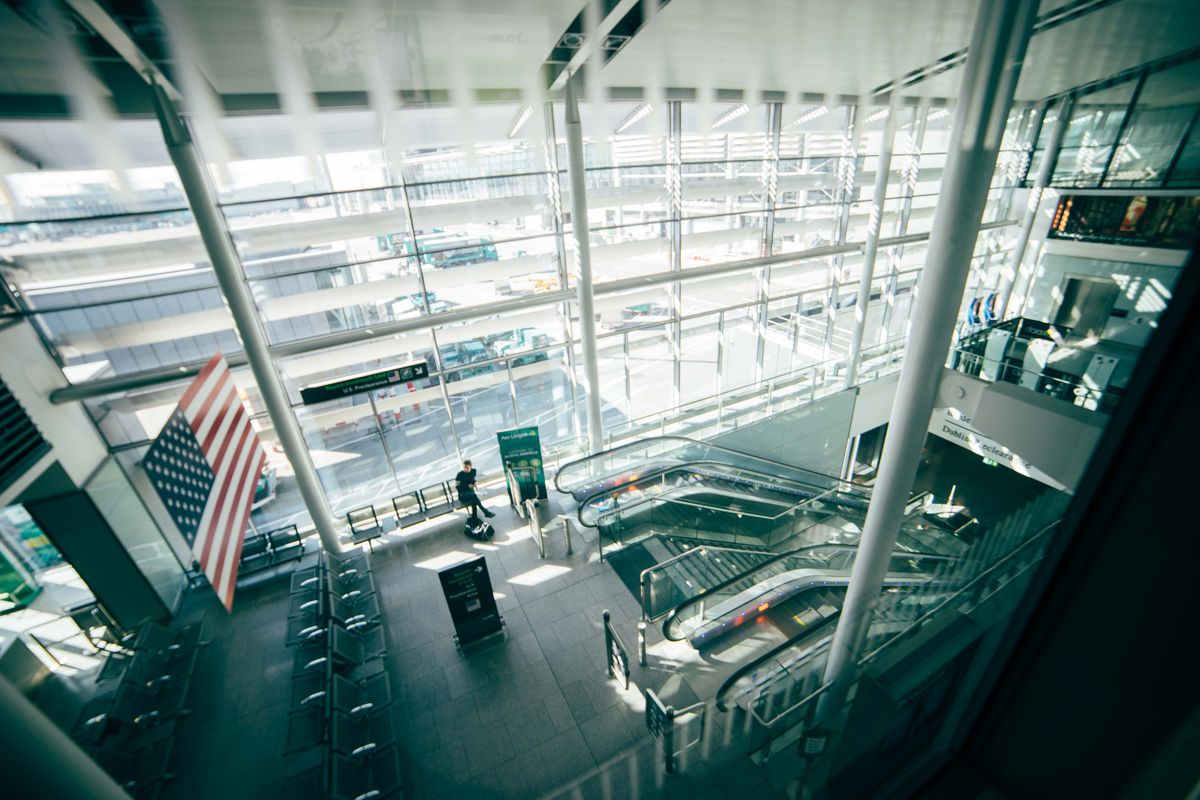
Large European hubs are well organised, but they have one feature that surprises people: the split between Schengen and non Schengen areas. Moving between those two zones means a passport check, and that check has a queue.
If your connection crosses that line, budget more time than the airport's published minimum.
Schengen and non Schengen in one building
Arriving from outside the Schengen area and connecting to a flight within it means clearing immigration during the transfer. The reverse also applies. Arriving from Schengen and flying onward to a non Schengen destination usually means an exit check.
Airports mark these zones clearly, often with letters or colours per pier, and staff will direct you. But a busy passport queue at Amsterdam or Frankfurt can take thirty to forty five minutes at peak times.

Step by step
Step 1: Work out whether you cross the Schengen border
Check both flights. Non Schengen to Schengen, or the reverse, means a passport check. Schengen to Schengen usually means a simple walk, and non Schengen to non Schengen normally stays airside with a security screening only.
Step 2: Allow a realistic connection time
As a working rule, sixty minutes is fine for Schengen to Schengen in a well run hub, ninety minutes or more when a passport check is involved, and two hours if you also change terminals or airlines.
Step 3: Prepare the documents you may be asked for
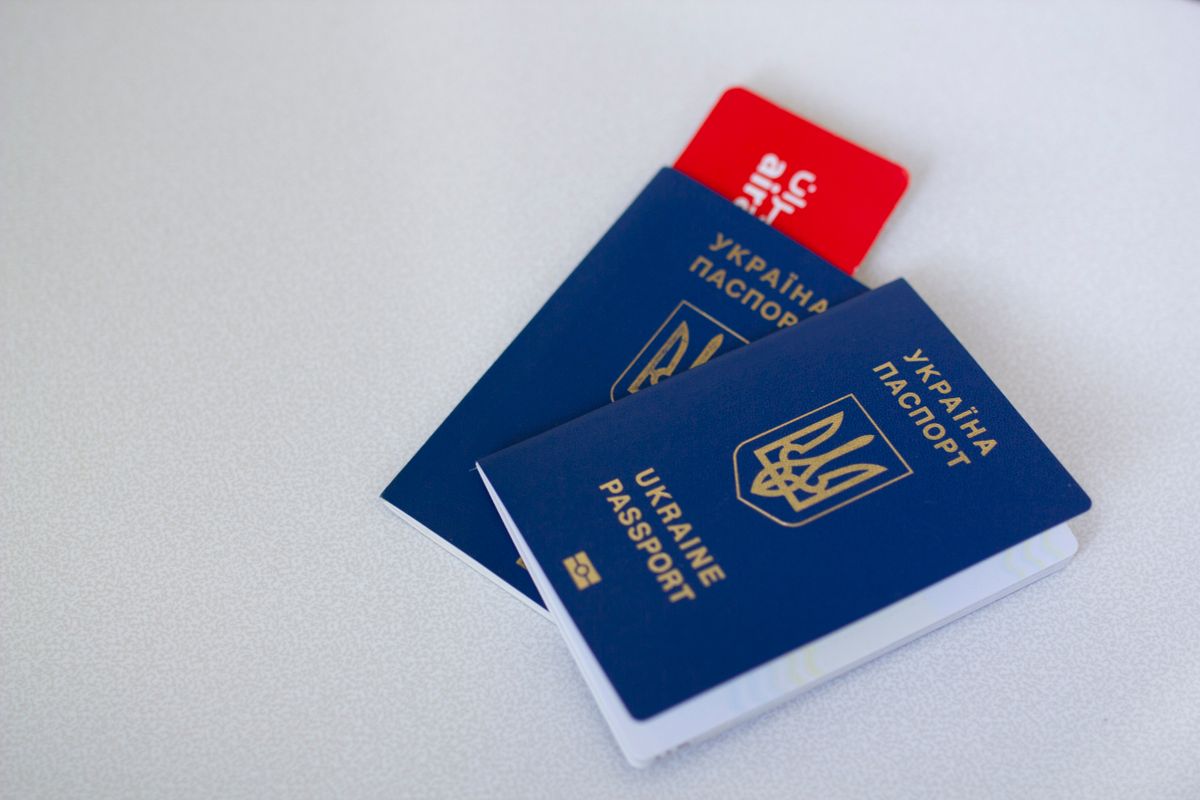
Passport, onward boarding pass, and for some nationalities a transit or entry authorisation. Have them in one pocket rather than in a bag, it noticeably speeds up the checkpoint.
Step 4: Know your baggage and terminal in advance
On one ticket the bag follows you. On separate tickets you will likely collect and re check, which changes the connection completely. Also confirm the terminal, some hubs use separate buildings for certain carriers.