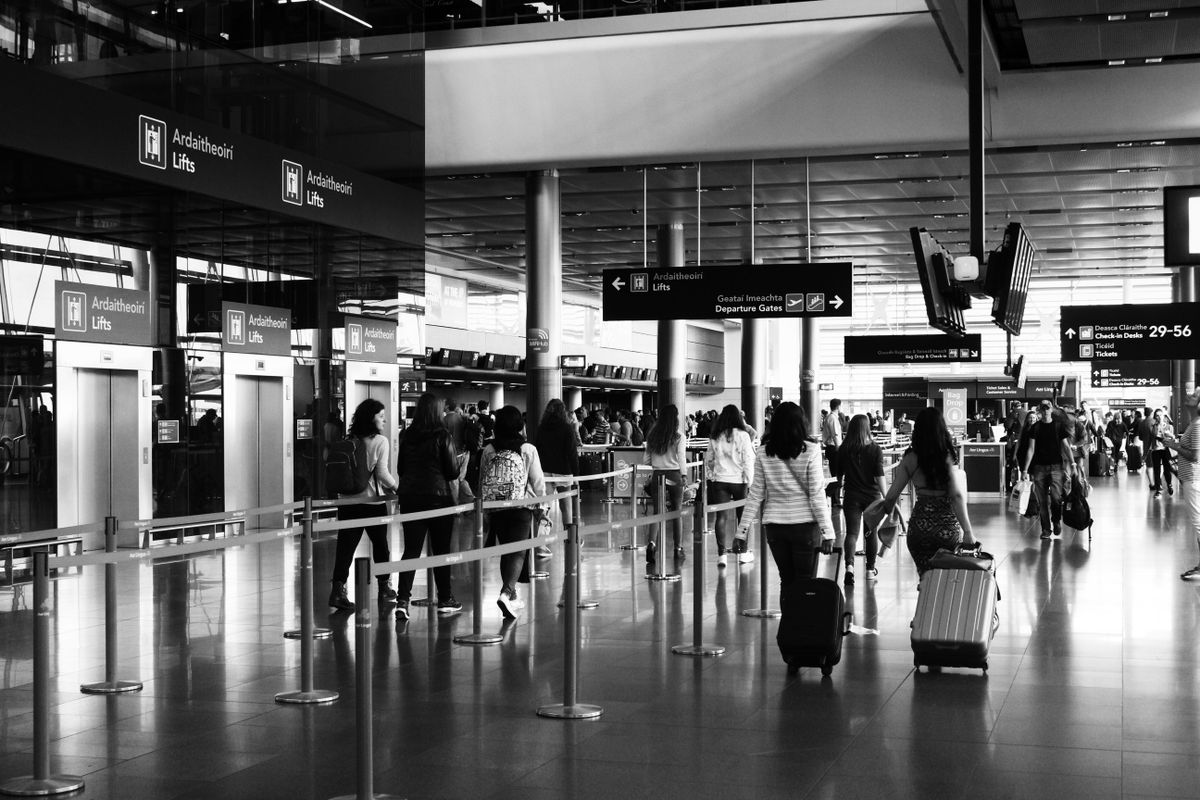
A short layover is not automatically a bad layover. Airports publish a minimum connection time, and if your booking respects it, the connection is considered viable. The problem is that the published minimum assumes everything runs normally, which is not how flying works in practice.
What follows is how to give yourself the best chance, and how to spot early that it is not going to happen.
What decides whether you make it
Four things: whether you have to change terminal, whether you re clear security or immigration, how far the gates are, and whether the airline will hold the flight. Domestic to domestic in a compact airport can be done in half an hour. International to domestic with a passport queue and a bag recheck can take two hours.
One ticket also makes a difference. On a single booking the airline monitors the connection and will rebook you if it fails. On two tickets, a missed connection is your problem entirely.

Step by step
Step 1: Check the transfer route before you fly
Look up your arrival terminal and departure terminal, then find how they connect: an airside train, a walk, or a landside bus. Also check whether you must clear immigration, which is the case in most connections through the United States and in some other countries.
Step 2: Set yourself up on the first flight
Choose a seat near the front, keep hand luggage compact, and have the onward boarding pass ready. If the first flight is already late, speak to the crew and ask them to notify the connection, they can sometimes arrange a fast track escort at the door.
Step 3: Move with purpose after landing
Follow the transfer or connecting flights signs, not baggage claim. Do not stop at shops. If there is a transfer security queue, look for a priority lane for tight connections, many hubs have one and staff will let you use it if you show a boarding pass with a close departure time.
Step 4: If it is slipping, act before the gate closes
Message the airline app or call while you walk, and ask to be protected on the next flight. Doing this at minute ten rather than minute forty gives you a much better replacement, and if you make the original flight, the protection is simply released.
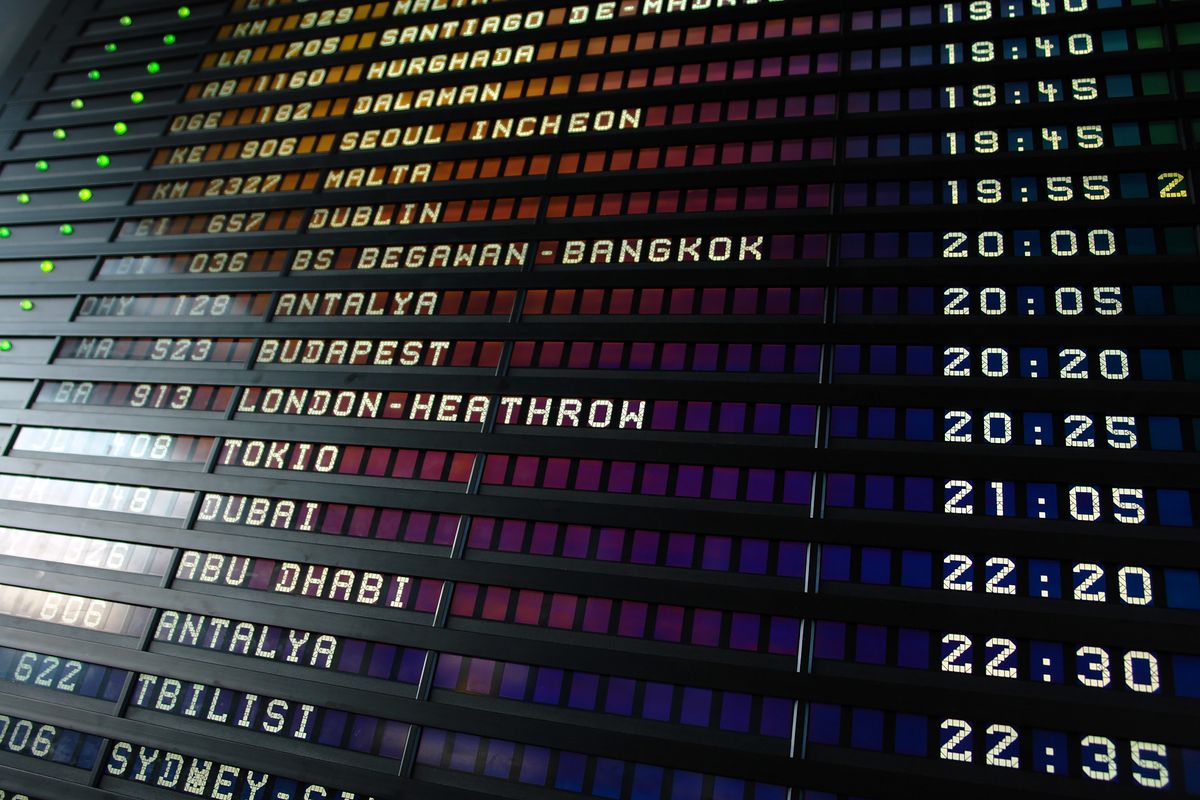
Reducing the risk when booking
- Aim for at least ninety minutes internationally in a large hub, more if you change terminals.
- Same airline or same alliance connections are usually handled more smoothly.
- The last flight of the day is the risky one, there is no later option if you miss it.
- Carry on only, where practical, removes the baggage variable completely.