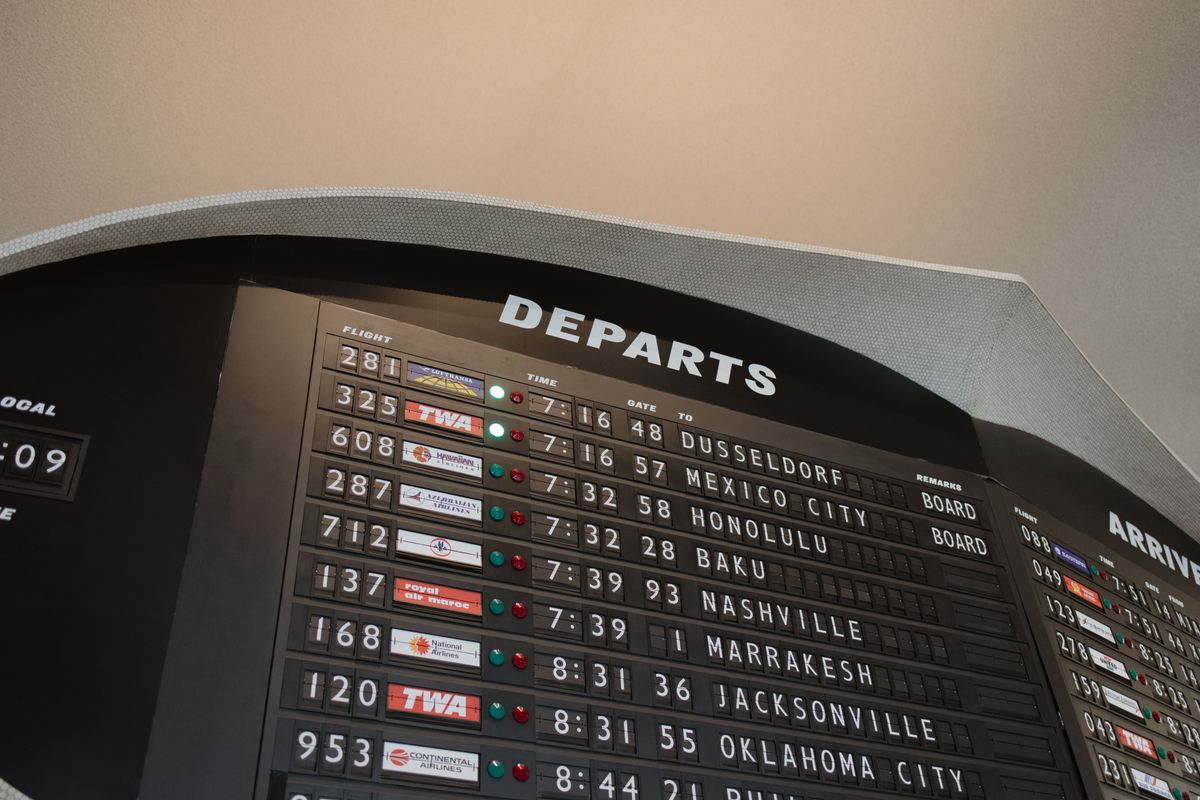
Airlines adjust schedules constantly. Most changes are harmless, a departure moved by fifteen minutes or a different aircraft. Some are not: a new departure at six in the morning, a connection cut to thirty five minutes, or a routing through a different country.
The email normally offers one button, accept. It rarely mentions that you can ask for something else.
When a change becomes a problem
Look at three things: the new departure and arrival times, the connection length, and whether the airports have changed. A connection under about an hour in a large hub, or a change that adds an overnight, is a genuine issue worth raising.
Many airlines have an internal threshold, often somewhere between one and five hours of difference, above which they will rebook you free of charge or refund the ticket. Policies vary, so ask rather than assume.

Step by step
Step 1: Compare the new itinerary against the original
Write both versions down side by side. Note total travel time, connection time, and arrival day. It is easy to miss that an arrival slipped past midnight and now falls on a different date, which affects hotels and transfers.
Step 2: Do not click accept if it does not work
Accepting confirms you are happy with the new plan and weakens your position. Contact the airline first, describe the specific problem, and propose an alternative flight you have already found. A concrete request is answered faster than a complaint.
Step 3: Ask about a refund if nothing suits
For a significant change most carriers allow a full refund, including on non refundable fares. If your trip no longer works at all, that may be cleaner than accepting an awkward routing. Get the outcome in writing before cancelling anything else.
Step 4: Re check everything downstream
Seats, baggage allowance, meals and assistance requests often reset. Update your hotel, transfer, parking and any onward tickets, particularly if the arrival date moved.